Liquid Packaging Machines and Automation Explained: Learn Filling Systems, Production Line Automation, Operational Advice, and Equipment Details
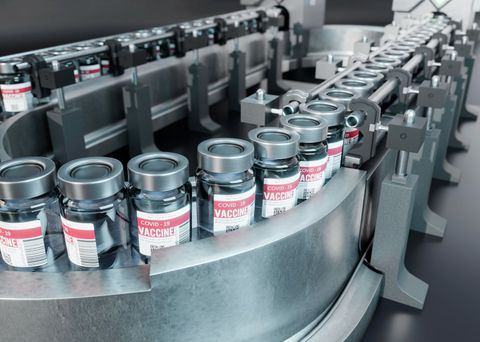
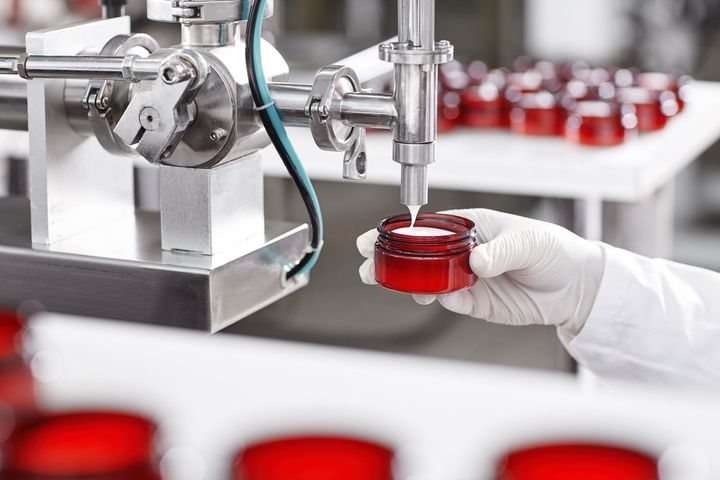
Liquid packaging machines are specialized systems designed to fill, package, seal, and prepare liquid products for storage, transportation, and distribution. These systems are commonly used in industries that handle beverages, pharmaceuticals, personal care products, chemicals, edible oils, dairy products, and household liquids.
Understanding Liquid Packaging Machines and Automation
As manufacturing demand increased over the years, manual filling processes became less practical due to limitations in speed, consistency, and quality control. This led to the development of liquid packaging machines, automatic filling machines, and advanced packaging automation systems that can handle large production volumes with improved accuracy.
Today, many production facilities use integrated solutions that combine liquid filling equipment, conveyors, labeling systems, inspection devices, and robotic packaging systems into a single automated production environment.
Why Liquid Packaging Automation Matters
Modern industries rely heavily on efficient packaging operations because packaging directly affects product quality, safety, and supply chain performance.
The importance of production line automation continues to grow due to increasing production requirements and stricter quality standards.
Key reasons why automation matters include:
- Improved production consistency
- Reduced product wastage
- Better filling accuracy
- Enhanced product safety
- Increased operational efficiency
- Improved traceability and compliance
- Support for large-scale manufacturing
Industries affected by packaging automation include:
| Industry | Common Liquid Products |
|---|---|
| Food & Beverage | Juices, water, sauces, dairy products |
| Pharmaceuticals | Syrups, medicines, medical solutions |
| Cosmetics | Shampoos, lotions, perfumes |
| Chemicals | Industrial liquids, cleaning agents |
| Agriculture | Liquid fertilizers and crop solutions |
Packaging automation helps solve challenges such as inconsistent filling volumes, production bottlenecks, contamination risks, and labor-intensive processes.
Types of Liquid Packaging Machines
Different products require different filling technologies. The selection often depends on liquid viscosity, container type, production speed, and hygiene requirements.
Gravity Filling Machines
Gravity fillers use the natural force of gravity to dispense liquids into containers.
Common applications include:
- Drinking water
- Juice products
- Thin liquid solutions
Piston Filling Machines
These machines use pistons to control liquid volume during filling.
Suitable for:
- Creams
- Sauces
- Honey
- Thick food products
Pump Filling Machines
Pump systems move liquid through controlled dispensing mechanisms.
Commonly used for:
- Cosmetic products
- Personal care liquids
- Chemical solutions
Vacuum Filling Machines
Vacuum pressure assists product transfer and filling.
Applications include:
- Glass bottle filling
- Specialty beverages
- Laboratory liquids
Overflow Filling Machines
These systems ensure uniform liquid levels across containers.
Often used for:
- Transparent beverage bottles
- Consumer household products
Aseptic Filling Machines
Designed for sterile environments.
Common applications:
- Pharmaceutical products
- Medical liquids
- Shelf-stable beverages
High-Speed Filling Machines
High speed filling machines are engineered for large-scale production environments where thousands of containers may be processed per hour.
Benefits and Applications
The adoption of industrial filling machines and packaging process automation offers numerous operational advantages.
Improved Accuracy
Automated systems reduce variation in fill levels and improve consistency across production batches.
Increased Throughput
Modern bottle filling machines can process significantly higher volumes than manual operations.
Enhanced Product Quality
Automated monitoring systems help maintain quality standards throughout production.
Better Resource Utilization
Automation can reduce product loss caused by spills, overfilling, and packaging errors.
Traceability and Data Collection
Many systems now include digital monitoring tools that track production metrics and operational performance.
Common applications include:
- Bottled water production
- Dairy packaging
- Pharmaceutical manufacturing
- Cosmetic packaging
- Household cleaning products
- Food ingredient packaging
- Industrial chemical processing
Top 5 Leading Provider Companies
Several organizations are recognized globally for their contributions to packaging technology and automation solutions.
| Company | Headquarters Country | Known For |
|---|---|---|
| Tetra Pak | Switzerland | Beverage and food packaging systems |
| Krones AG | Germany | Bottling and production line systems |
| Sidel | France | PET packaging and filling solutions |
| GEA Group | Germany | Food, beverage, and pharmaceutical processing |
| Syntegon | Germany | Pharmaceutical and food packaging systems |
These organizations have contributed significantly to advancements in packaging automation systems, digital manufacturing, and sustainable packaging technologies.
Recent Updates and Industry Trends
The liquid packaging sector has experienced notable developments during 2025 and 2026.
Increased Artificial Intelligence Integration
Manufacturers are incorporating AI-powered inspection systems to detect packaging defects, monitor filling accuracy, and improve predictive maintenance.
Growth of Robotic Packaging Systems
Advanced robotic technologies are increasingly used for:
- Container handling
- Carton loading
- Palletizing operations
- Quality inspections
Smart Manufacturing Adoption
Facilities are connecting equipment through Industrial Internet of Things (IIoT) platforms for real-time monitoring and analytics.
Sustainability Initiatives
Many packaging operations are focusing on:
- Reduced material consumption
- Lightweight packaging designs
- Energy-efficient machinery
- Recyclable packaging formats
Digital Twin Technology
During 2025, several manufacturers expanded the use of digital twins, allowing virtual simulation of production lines before implementation.
Industry Automation Trend Overview
| Trend | Adoption Level |
|---|---|
| AI Inspection Systems | High |
| Robotic Packaging Systems | High |
| Predictive Maintenance | Growing |
| Smart Sensors | High |
| Digital Twin Technology | Growing |
| Sustainable Packaging Integration | High |
Illustrative Trend Graph
Automation Adoption Trend

AI Inspection           ██████████
Robotic Systems         █████████
Smart Sensors           ██████████
Digital Twins           ███████
Predictive Maintenance  ████████
Sustainability Focus    ██████████
Laws, Regulations, and Policies
Liquid packaging operations are influenced by various regulations depending on the country and industry.
Food Safety Regulations
Food and beverage packaging facilities often follow standards related to:
- Hygiene practices
- Contamination prevention
- Product traceability
- Equipment sanitation
Examples include food safety management systems and hazard analysis programs.
Pharmaceutical Regulations
Pharmaceutical filling systems must comply with strict requirements involving:
- Sterile processing
- Validation procedures
- Documentation standards
- Product quality assurance
Environmental Policies
Governments increasingly encourage:
- Packaging waste reduction
- Recycling initiatives
- Sustainable manufacturing practices
- Energy efficiency improvements
Workplace Safety Standards
Industrial facilities must also comply with occupational safety requirements related to:
- Machine guarding
- Operator training
- Emergency procedures
- Equipment maintenance
Organizations typically follow internationally recognized standards such as ISO quality and safety frameworks relevant to their industry.
Useful Tools and Resources
Several tools and resources help professionals understand and manage packaging operations.
Engineering and Design Software
- Computer-aided design (CAD) platforms
- Production line simulation software
- Digital twin systems
Monitoring and Analytics Platforms
- Manufacturing execution systems (MES)
- Industrial IoT dashboards
- Equipment performance monitoring tools
Quality Management Resources
- Statistical process control templates
- Equipment validation checklists
- Production audit documentation
Industry Information Sources
- Packaging industry publications
- Manufacturing associations
- Food safety guidance resources
- Automation technology research reports
Performance Metrics Commonly Tracked
| Metric | Purpose |
|---|---|
| Fill Accuracy | Product consistency |
| Downtime Rate | Equipment efficiency |
| Production Output | Operational performance |
| Reject Rate | Quality control |
| Energy Consumption | Sustainability monitoring |
Frequently Asked Questions
What is a liquid packaging machine?
A liquid packaging machine is equipment designed to fill, seal, and package liquid products into containers such as bottles, pouches, cartons, or jars.
How do automatic filling machines improve efficiency?
Automatic filling machines reduce manual intervention, increase production speed, improve consistency, and support continuous manufacturing operations.
What industries use liquid filling equipment?
Industries including food and beverage, pharmaceuticals, cosmetics, chemicals, agriculture, and household product manufacturing commonly use liquid filling equipment.
What is production line automation?
Production line automation involves using machines, sensors, software, and robotics to perform manufacturing tasks with minimal manual involvement.
What are robotic packaging systems used for?
Robotic packaging systems are commonly used for product handling, sorting, case packing, palletizing, quality inspection, and end-of-line packaging operations.
Are high-speed filling machines suitable for all products?
Not necessarily. Equipment selection depends on factors such as liquid viscosity, container type, production requirements, and regulatory standards.
Conclusion
Liquid packaging technology has evolved significantly from basic filling operations to highly connected and intelligent manufacturing systems. Modern liquid packaging machines, automatic filling machines, industrial filling machines, and packaging automation systems help organizations improve accuracy, efficiency, traceability, and product quality.
The growing adoption of production line automation, high speed filling machines, packaging process automation, and robotic packaging systems reflects broader manufacturing trends focused on digital transformation, sustainability, and operational excellence. As industries continue embracing smart manufacturing technologies, automated liquid packaging solutions are expected to remain an important component of modern production environments.
Informational Disclaimer: Any references to equipment specifications, production capacities, pricing structures, operational packages, or implementation examples are general informational estimates only. Actual machine capabilities, performance metrics, and deployment requirements may vary by manufacturer, industry, location, and regulatory environment.