Modular Container Homes Guide: Information, Suggestions, and Future-Ready Housing Insights
Modular container homes refer to residential structures built using repurposed shipping containers or newly fabricated steel modules. These homes are part of a broader category known as modular prefab housing solutions, where components are manufactured off-site and assembled at the final location.
Understanding Modular Container Homes
The concept emerged as a response to increasing urbanization, housing shortages, and the need for efficient construction methods. Traditional construction can be time-consuming and resource-intensive, while prefab container homes provide a streamlined alternative.
Modern container home design has evolved significantly over the years. What began as simple conversions of industrial containers has transformed into highly customizable living spaces. Today, custom container homes incorporate insulation systems, smart layouts, and contemporary aesthetics, making them suitable for both urban and rural environments.
Importance – Why Modular Container Homes Matter Today
The relevance of modular container homes has grown due to several global challenges. Rapid population growth, rising land constraints, and environmental concerns have pushed the construction industry to explore innovative solutions.
Sustainable prefab homes play a key role in addressing these issues. By using recycled materials and reducing construction waste, they support eco-conscious development. Additionally, prefab container homes can be constructed faster than traditional houses, helping meet urgent housing demands.
This topic affects a wide range of individuals and sectors:
- Urban planners seeking scalable housing options
- Families exploring flexible living spaces
- Architects focusing on modern container home design
- Governments addressing affordable housing needs
Key problems addressed include:
- Long construction timelines
- High material waste
- Limited design flexibility in conventional housing
- Environmental impact of traditional construction methods
Types – Different Forms of Container Homes
Modular container homes come in various configurations, each suited to different needs and preferences.
Single-container homes
These are compact units made from one container. They are often used for small living spaces, studios, or temporary housing solutions.
Multi-container homes
Multiple containers are combined to create larger living areas. This type allows for more complex layouts and modern container home design features.
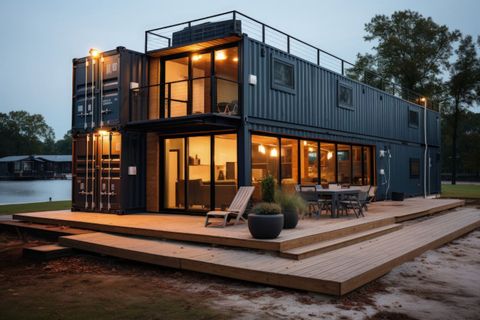
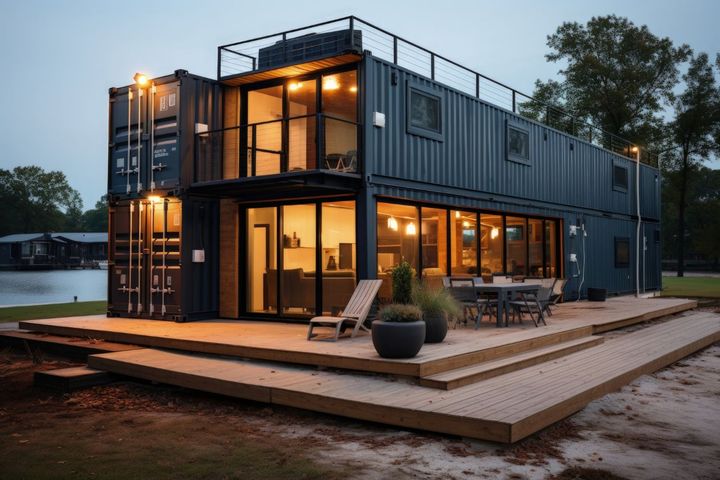
Stacked container homes
Containers are stacked vertically to create multi-story structures. This approach maximizes land use, especially in urban areas.
Luxury container homes
These homes incorporate high-end finishes, advanced insulation, and smart home technologies. Luxury container homes focus on comfort while maintaining the modular structure.
Hybrid prefab homes
These combine containers with other building materials, offering greater design flexibility and improved thermal performance.
Benefits and Applications
Modular container homes offer several advantages that make them a practical housing option in various scenarios.
Key benefits include:
- Faster construction timelines due to off-site fabrication
- Reduced material waste compared to traditional methods
- Flexibility in design and expansion
- Durability due to steel structure
- Adaptability for different climates with proper insulation
Applications of prefab container homes extend beyond residential use:
Residential housing
Used for primary homes, vacation houses, and compact living spaces.
Temporary housing
Suitable for disaster relief or short-term accommodation needs.
Commercial spaces
Converted into offices, cafes, or retail units due to their modular nature.
Educational and healthcare units
Used for schools and clinics in remote or underserved areas.
Top 5 Leading Provider Company Names
Several companies are recognized for their work in modular container homes and prefab housing solutions. These organizations focus on innovation, design, and scalability.
- Koto Design – Known for modern and minimalist prefab structures
- SG Blocks – Specializes in container-based construction projects
- Honomobo – Focuses on contemporary modular homes with sleek designs
- Container Homes USA – Offers a variety of prefab container home models
- Modscape – An Australian firm recognized for advanced modular architecture
These companies contribute to the growing adoption of container home manufacturers worldwide, helping standardize design and construction practices.
Recent Updates – Trends and Developments (Past Year)
The modular container housing sector has seen notable developments in the past year.
In 2025, increased interest in sustainable prefab homes was observed as governments and developers emphasized eco-friendly construction. Many projects incorporated renewable energy systems such as solar panels and rainwater harvesting.
Another trend is the integration of smart technologies. Modern container home design now often includes automation systems for lighting, climate control, and security.
Urban areas have also begun experimenting with vertical container housing projects. These developments aim to address space constraints while maintaining efficient construction timelines.
Additionally, advancements in insulation materials and structural engineering have improved the comfort and durability of prefab container homes.
Laws or Policies – Regulatory Considerations
The development of modular container homes is influenced by local building codes, zoning laws, and environmental regulations.
In India, container homes fall under general construction and housing regulations. Key considerations include:
- Compliance with municipal building codes
- Structural safety standards
- Land use and zoning permissions
- Environmental clearance for larger projects
Government initiatives promoting sustainable housing and smart cities indirectly support the adoption of modular prefab housing solutions. However, regulations may vary by state and local authorities.
It is important to note that policies related to prefab housing are evolving. Some regions are gradually introducing guidelines specifically for container-based construction.
Tools and Resources for Modular Container Homes
Several tools and resources can assist in planning and understanding modular container homes.
Design and planning tools
- 3D modeling software for visualizing layouts
- Architectural design platforms for modern container home design
Educational resources
- Online courses on prefab construction techniques
- Research publications on sustainable prefab homes
Calculation tools
- Space planning calculators
- Energy efficiency assessment tools
Websites and platforms
- Industry blogs covering prefab container homes
- Forums discussing custom container homes and design ideas
These resources help individuals and professionals make informed decisions about container home projects.
FAQs
What are modular container homes made of?
They are typically constructed using steel shipping containers or specially designed modular units, combined with insulation, interior finishes, and structural reinforcements.
Are prefab container homes suitable for all climates?
Yes, with proper insulation and design adjustments, they can be adapted to various climates, including hot, cold, and humid environments.
How long does it take to build a container home?
Construction timelines are generally shorter than traditional homes because much of the work is completed off-site before assembly.
Can container homes be expanded later?
Yes, modular container homes are designed for flexibility, allowing additional units to be added as needed.
Are container homes environmentally friendly?
They can be more sustainable than conventional housing, especially when using recycled materials and energy-efficient systems.
Conclusion
Modular container homes represent a modern approach to housing that combines efficiency, flexibility, and sustainability. As urban populations grow and environmental concerns become more pressing, prefab container homes offer a practical alternative to traditional construction methods.
With advancements in modern container home design, these structures are no longer limited to basic layouts. They now include innovative features, smart technologies, and customizable configurations.
While regulatory frameworks continue to evolve, the growing interest in sustainable prefab homes suggests a strong future for this housing model. By understanding the types, benefits, and considerations involved, individuals and organizations can better explore the potential of modular prefab housing solutions.
Disclaimer: Regulatory requirements and approvals can vary by location and project type. Information provided here is general and may not reflect specific local conditions.