Solar Panels Guide: Learn Installation Tips, Insights, and Essential Information
Solar panels are devices that convert sunlight into electricity using photovoltaic (PV) cells. They provide an alternative source of electrical power for homes, businesses, agricultural facilities, and industrial buildings. As electricity demand grows and renewable energy becomes increasingly important, solar technology is an option for generating electricity from an abundant natural resource.
Introduction to Solar Panels
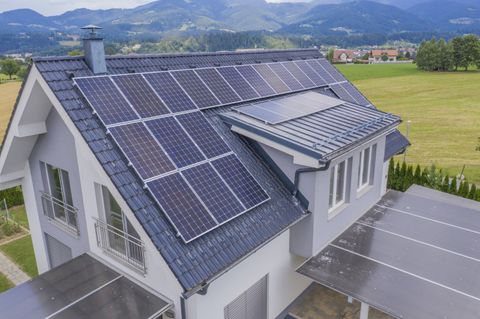
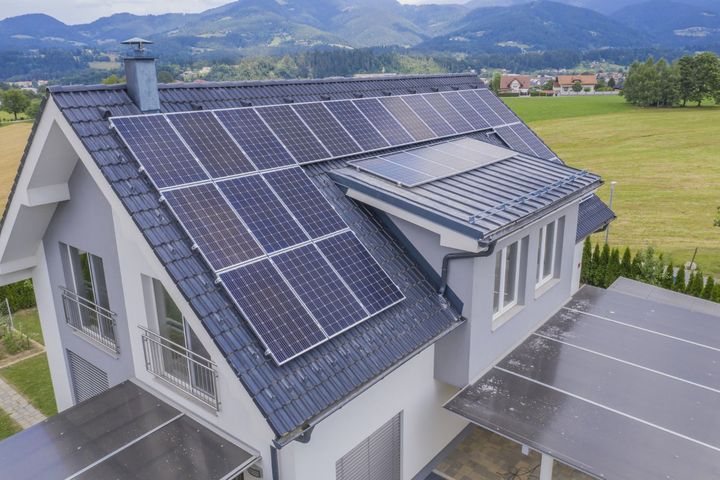
Solar panels for home use are commonly installed on rooftops, terraces, carports, and other locations with sufficient sunlight. Larger installations can support commercial buildings, warehouses, factories, and community energy projects.
A residential solar power system typically includes solar panels, an inverter, electrical protection equipment, mounting structures, and monitoring components. Depending on the system design, it may also include solar battery storage to retain some of the electricity generated during daylight hours for later use.
Understanding the available technologies, installation requirements, financial considerations, and applicable regulations helps households and organizations evaluate whether solar electricity suits their needs.
How Solar Energy Systems Work
A typical solar power system follows a straightforward process:
Electricity generation: Photovoltaic cells convert sunlight into direct-current (DC) electricity.
Power conversion: An inverter converts DC electricity into alternating-current (AC) electricity used by most household appliances.
Electricity consumption: The generated electricity supplies connected loads, subject to system design and operating conditions.
Grid interaction: Grid-connected systems can draw electricity from the utility when solar generation is insufficient. Exported electricity is handled according to applicable regulations and the approved connection arrangement.
Energy storage: Systems equipped with batteries can store some surplus electricity for later use.
Solar generation changes with sunlight intensity, weather, shading, panel orientation, temperature, and equipment condition. Consequently, actual output varies by location and season.
Types of Solar Panel Systems
Different configurations address different electricity requirements.
| System type | Main characteristics | Typical application |
|---|---|---|
| Grid-connected system | Operates with the utility grid; usually has no battery | Homes and commercial buildings |
| Hybrid solar system | Combines grid-connected operation with battery storage | Homes seeking backup capability |
| Off-grid solar system | Operates independently of the utility grid | Remote homes and isolated facilities |
| Rooftop solar panels | Installed on an existing roof or suitable structure | Residential and commercial properties |
| Ground-mounted system | Installed on a dedicated area of land | Larger properties and energy projects |
| Solar roof tiles | Integrate photovoltaic elements into roofing materials | Selected new-build or roof-renovation projects |
A hybrid solar inverter manages electricity flows between the solar array, battery, electrical loads, and grid where supported. Off-grid systems require careful planning because stored energy and generation must meet demand during periods of limited sunlight.
Main Components of a Residential Solar Power System
A solar power system for home use can contain several components:
PV modules: Generate electricity from sunlight.
Inverter: Converts electricity into a usable form and manages system operation.
Mounting structures: Secure panels and provide the intended tilt and orientation.
Wiring and protection devices: Help manage electrical connections and reduce identified electrical risks.
Monitoring equipment: Displays generation, consumption, and selected system performance indicators.
Battery storage, if included: Stores energy for later use, subject to capacity and operating limits.
Choosing components that work together is important for reliable operation and appropriate system performance.
Why Solar Panels Matter Today
Solar energy can diversify electricity sources, reduce dependence on grid electricity during sunny periods, and support efforts to lower emissions from power generation. Its practical value depends on local sunlight, electricity tariffs, installation conditions, and the proportion of generated power used on-site.
Benefits for Homes and Businesses
Electricity generation: Rooftop systems produce electricity during daylight hours.
Energy planning: Solar monitoring helps users understand generation and household consumption patterns.
Backup capability: A suitably designed battery system can power selected circuits during outages.
Environmental considerations: Solar electricity generally produces fewer operational greenhouse gas emissions than electricity generated from fossil fuels.
Energy independence: Off-grid and hybrid configurations can provide greater control over electricity use, although grid-connected households may still depend on utility power.
Solar panels do not automatically eliminate electricity bills or guarantee uninterrupted power. Grid-connected inverters commonly shut down during a grid outage unless the installation includes an appropriate backup arrangement with the required safety controls.
Solar Panel Efficiency and Installation Tips
Solar panel efficiency describes how effectively a panel converts incoming sunlight into electricity under specified test conditions. Higher efficiency can be useful when roof space is limited, but panel efficiency alone does not determine the total electricity generated by a system.
Important Factors Before Installation
Roof condition: Check structural strength, waterproofing, available space, and the expected remaining life of the roof.
Sunlight exposure: Identify shading from trees, nearby buildings, water tanks, and other rooftop structures.
Orientation and tilt: Select an appropriate panel arrangement based on location, roof geometry, and engineering requirements.
Electricity consumption: Review monthly bills and daytime usage to estimate an appropriate system capacity.
Electrical compatibility: Check inverter ratings, wiring, protection devices, earthing, and grid-connection requirements.
Future maintenance: Ensure panels, cables, and mounting hardware can be inspected safely.
A solar panel installation guide should also cover permits, utility approvals, commissioning, and documentation. Electrical work should be performed by appropriately qualified professionals.
Understanding a 10 kW Solar System
A 10 kW system describes the nominal power capacity of the solar array, not its guaranteed hourly or daily energy output. Actual generation depends on location, weather, shading, orientation, equipment performance, and system losses.
The following table provides an illustrative planning example, not a forecast for a specific property.
| Planning measure | Illustrative value |
|---|---|
| Installed capacity | 10 kW |
| Assumed equivalent full-output sunlight | 4–5 hours per day |
| Assumed overall performance factor | 75–85% |
| Illustrative daily generation | 30–42.5 kWh |
| Illustrative 30-day generation | 900–1,275 kWh |
These figures use the formula: installed capacity × equivalent full-output sunlight hours × performance factor. Actual results may fall outside this range, particularly during periods of heavy cloud, seasonal variation, or shading.
Solar System Cost 10 kW: What Affects the Estimate?
The financial estimate for a 10 kW solar system varies according to panel technology, inverter configuration, mounting requirements, wiring, site preparation, battery inclusion, and local electrical requirements.
When comparing estimates, check whether the quoted amount includes installation, protection equipment, monitoring, taxes, grid-connection work, and commissioning. Battery storage can substantially change the overall budget.
Informational disclaimer: Any solar system price, package estimate, or projected savings figure is indicative only. Obtain an itemized, site-specific quotation and verify applicable subsidies and utility rules. Actual financial outcomes depend on electricity consumption, tariffs, system performance, financing terms, and policy eligibility.
Solar Battery Storage and Backup Systems
Solar energy storage systems use batteries to retain electricity for use when solar generation is insufficient. They may be useful for households with evening electricity demand, selected backup requirements, or limited opportunities to use solar power during daylight hours.
Battery Options and Key Specifications
Lithium-ion batteries: Common in modern residential storage systems, with performance varying by chemistry and design.
Lead-acid batteries: Used in some installations, particularly where system requirements and maintenance arrangements are suitable.
Usable capacity: The portion of stored energy available for consumption.
Power rating: The rate at which the battery can deliver electricity.
Round-trip efficiency: The proportion of charging energy recovered during discharge.
Backup configuration: The circuits and appliances that remain powered during a grid outage.
A solar battery backup for home use should be sized around essential loads, expected outage duration, and the ability to recharge. Refrigerators, lights, fans, communication devices, and other appliances have different power and energy requirements.
Solar battery storage does not guarantee continuous backup during extended cloudy periods. System performance also depends on battery condition, inverter compatibility, and the availability of sufficient solar generation.
Solar Financing and Financial Planning
Solar panel financing options may include personal funds, eligible bank loans, leases, or arrangements in which a third party owns and operates the installation. Availability and terms vary by location and provider.
When comparing a solar lease vs buy arrangement, examine ownership, upfront payments, ongoing payments, maintenance responsibilities, contract duration, roof access, equipment replacement, and what happens when a property changes ownership.
A solar energy savings calculator can help estimate potential savings using:
Recent electricity bills and consumption data.
Proposed system capacity and estimated generation.
The proportion of solar electricity used directly.
Applicable export credits or net-metering arrangements.
Installation and financing assumptions.
Maintenance, inverter replacement, and battery replacement allowances.
Calculators provide estimates rather than guarantees. A realistic analysis should include conservative generation assumptions and the possibility of changing electricity tariffs or regulations.
Recent Solar Energy Updates in India
Solar energy developments in 2025 and 2026 have included continued rooftop adoption, digital application processes, financing arrangements, and changes to state-level policies.
PM Surya Ghar Programme
India's PM Surya Ghar: Muft Bijli Yojana, launched in February 2024, aims to support rooftop solar installations for one crore households by the financial year 2026–27. On 25 March 2026, the Press Information Bureau reported that approximately 9.57 GW of rooftop solar capacity had been added nationally under the programme as of 20 March 2026. The programme also includes an online application process and provisions for eligible residential households to receive central financial assistance.
Financing and Installation Models
Programme implementation has included financing arrangements and alternative adoption models, such as renewable energy service company (RESCO) and utility-led aggregation approaches. These models can change how equipment ownership, payments, and operational responsibilities are structured.
Households should verify current eligibility, financing conditions, and installation procedures through official channels before making decisions.
Delhi Solar Policy Developments
Delhi's official solar portal records an amendment to the Delhi Solar Energy Policy on 10 July 2025 and a second amendment on 17 September 2026. The portal also describes options such as community solar and group net metering. These developments illustrate why local policy information matters alongside national schemes.
Laws, Policies, and Government Programmes
Solar installations in India are affected by national programmes, state electricity regulations, distribution company procedures, and electrical safety requirements.
PM Surya Ghar: Muft Bijli Yojana
Eligible residential households can apply through the National Portal for Rooftop Solar. Under the published central assistance structure, eligible systems receive assistance according to applicable capacity limits and programme conditions. The commonly published structure provides ₹30,000 per kW for the first 2 kW and ₹18,000 per kW for additional capacity up to 3 kW, with central assistance capped at ₹78,000 for systems of 3 kW or more. Eligibility and current guidelines should be checked before relying on these figures.
Net Metering and Grid Connection
Net metering arrangements determine how eligible rooftop systems measure electricity imported from and exported to the grid. Rules, export credits, capacity limits, and approval processes vary by state and distribution company.
Before installing rooftop solar panels, confirm the applicable grid-connection process, metering arrangement, technical standards, and required documentation.
Electrical Safety and Equipment Standards
Installations should follow applicable electrical safety requirements and relevant standards for modules, inverters, wiring, earthing, and protection devices. Battery installations also require suitable placement, ventilation or thermal management where applicable, and protection against electrical hazards.
Government incentives and regulations may change. Always consult current official guidance and qualified electrical professionals.
Helpful Tools and Resources
The following resources can help with solar planning:
PM Surya Ghar National Portal: Programme information, applications, and relevant rooftop solar guidance.
Ministry of New and Renewable Energy: National solar policies, guidelines, and renewable energy updates.
Delhi Solar Portal: Delhi-specific policy information, adoption models, and subsidy guidance.
Solar energy savings calculator: Estimate potential generation and financial outcomes using electricity bills, local solar conditions, and system specifications.
Smart solar monitoring systems: Track generation, inverter status, energy consumption, and battery performance where supported.
Maintenance checklist: Record panel cleaning, visible damage, mounting condition, inverter alerts, and scheduled electrical inspections.
For people searching for solar panel installation near me, compare qualified installers using technical specifications, documented experience, warranty terms, applicable approvals, and itemized quotations. Avoid relying on advertised savings percentages without examining the assumptions behind them.
Frequently Asked Questions
How many solar panels are needed for a home?
The number depends on total system capacity and the rated wattage of each panel. For example, a 5 kW array using 500-watt panels would require approximately 10 panels, subject to the final design and available products.
Do solar panels generate electricity on cloudy days?
Yes, photovoltaic panels can generate electricity under cloudy conditions, but output is generally lower than under strong direct sunlight. Generation also decreases after sunset.
How long do solar panels last?
Many modern solar panels are designed to operate for 25 years or longer, although performance gradually changes over time. Actual lifespan depends on product quality, environmental conditions, installation, and maintenance. Panel warranties and inverter warranties may cover different periods.
Is battery storage necessary for rooftop solar?
No. Many grid-connected systems operate without batteries. Storage may be useful when backup power or greater use of solar electricity outside daylight hours is a priority.
Can solar panels eliminate an electricity bill?
Not necessarily. Remaining charges, grid electricity consumption, seasonal generation, export-credit rules, and fixed utility fees can affect the final bill. Any projected reduction should be based on realistic usage and local regulations.
Conclusion
Solar panels provide a practical way to generate electricity from sunlight for residential and commercial applications. Selecting an appropriate system involves evaluating electricity demand, roof conditions, panel efficiency, inverter compatibility, battery requirements, and local regulations.
Grid-connected, hybrid, and off-grid systems each serve different purposes. Financial planning should account for installation specifications, maintenance, financing arrangements, potential incentives, and realistic generation estimates.
By using official government resources, reviewing technical documentation, and arranging a properly assessed installation, households and businesses can make informed decisions about solar energy without relying on guaranteed savings claims or unsupported performance promises.