Metal Polishing Machines Guide: Learn the Basics, Facts, and Automation Techniques
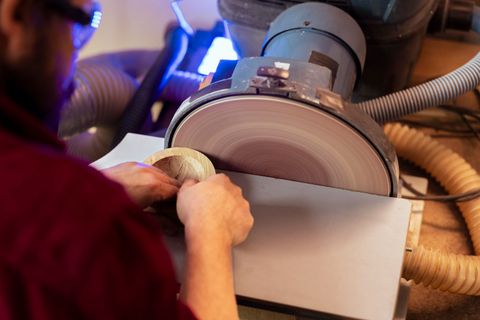
Metal polishing machines are industrial systems used to improve the surface appearance, smoothness, and finish of metal components. They remove surface irregularities, reduce visible scratches, and help produce finishes suited to specific manufacturing requirements.
Understanding Metal Polishing Machines
These machines are used in automotive manufacturing, aerospace, construction, medical equipment production, metal fabrication, and stainless steel processing. Their applications range from polishing small precision components to finishing large pipes, sheets, and fabricated structures.
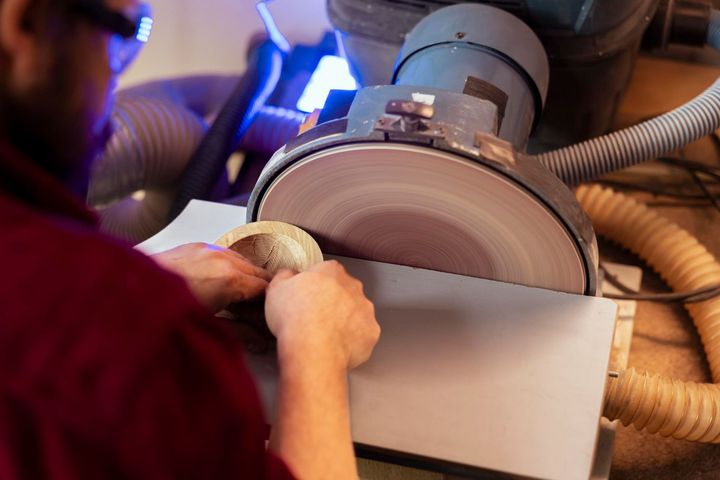
Traditional polishing often relies on operators controlling abrasive wheels, belts, compounds, and polishing tools. Modern equipment can incorporate computer numerical control (CNC), robotics, sensors, and automated process monitoring to improve repeatability.
Robotic metal polishing automation is particularly relevant when manufacturers need consistent results across repeated production cycles. Similarly, an automatic stainless steel polishing machine may be configured to process kitchen equipment, architectural components, industrial vessels, and other stainless steel products.
Understanding the available technologies helps manufacturers select appropriate equipment based on material properties, surface requirements, production volume, and workplace conditions.
How Metal Polishing Machines Work
Most metal polishing processes follow a series of controlled operations:
Surface preparation: The component is inspected and cleaned to remove contaminants.
Initial grinding: Abrasive tools remove burrs, weld irregularities, or prominent surface defects when required.
Intermediate finishing: Finer abrasives gradually reduce scratches and surface roughness.
Final polishing: Polishing wheels, compounds, or other finishing methods create the specified surface appearance.
Inspection: Operators or measurement systems examine surface quality, dimensions, and visible defects.
The exact sequence depends on the metal, component geometry, starting condition, and required finish. Polishing does not automatically correct every dimensional defect, and excessive material removal can affect component tolerances.
Importance of Metal Polishing in Modern Manufacturing
Metal finishing affects both the appearance and functionality of manufactured components. A suitable finishing process can improve surface consistency, prepare parts for subsequent coatings, and remove irregularities that interfere with assembly.
Manufacturers, fabrication workshops, equipment producers, and component suppliers use polishing technology to meet different engineering and appearance requirements.
Key benefits include:
Consistent surface quality: Controlled processes can reduce variation between components.
Improved appearance: Polishing creates finishes ranging from brushed surfaces to reflective mirror finishes.
Component preparation: Grinding and polishing can prepare surfaces for coating, plating, welding, or assembly.
Repeatable production: Automated systems can reproduce programmed movements and process settings.
Reduced manual exposure: Appropriate automation can limit direct contact with rotating tools, abrasive particles, and repetitive operations.
Process monitoring: Sensors and inspection systems can help identify deviations during production.
These benefits depend on correct machine selection, process settings, operator training, and maintenance. Automation alone does not guarantee a defect-free finish.
Types of Metal Polishing Machines
Different machines are designed for different materials, shapes, and production requirements.
| Machine type | Common application | Main consideration |
|---|---|---|
| Belt polishing machine | Flat surfaces, metal sheets, and fabricated parts | Abrasive selection and contact pressure |
| Rotary polishing machine | Metal components and cylindrical parts | Rotation speed and tool alignment |
| CNC surface finishing system | Precision components and repeatable geometries | Programming and dimensional accuracy |
| Robotic polishing cell | Complex shapes and repeated finishing tasks | Tool-path control and safety integration |
| Pipe polishing machine | Tubes, pipes, and cylindrical structures | Diameter and surface accessibility |
| Stainless steel mirror polishing machine | Decorative and reflective components | Multiple finishing stages and inspection |
| Automated deburring machine | Machined parts with sharp edges or burrs | Edge geometry and material removal |
| Vibratory finishing system | Multiple small components | Media selection and batch configuration |
High-precision metal polishing equipment may combine several finishing stages. The best configuration depends on the required surface roughness, component dimensions, production volume, and acceptable material removal.
Recent Updates and Industrial Automation Trends
During 2025 and 2026, manufacturers continued exploring robotics, digital monitoring, and flexible automation for grinding, polishing, and related finishing operations.
These developments are relevant to facilities seeking more repeatable production processes, although actual performance depends on the equipment, application, and operating conditions.
Robotic finishing developments in 2026
On April 30, 2026, ABB Robotics announced its OmniVance Collaborative Surface Finishing Cell for automated sanding and polishing. The announcement illustrates continued development of integrated finishing systems designed to make robotic surface processing more accessible to manufacturers with different levels of automation experience.
Industry 4.0 metal finishing equipment
Industry 4.0 connects industrial machines with sensors, software, production data, and automated controls. In metal finishing, these capabilities can help monitor spindle operation, tool condition, process parameters, and equipment interruptions.
Smart metal finishing systems may also record process settings for different component types. This can support repeatability when manufacturers need to switch between production batches.
CNC and precision control
CNC surface polishing technology uses programmed movements to guide finishing tools along defined paths. Depending on the system, programmable pressure control and force sensors can help the equipment accommodate variations in component geometry.
These features are useful for precision parts, but achieving the required surface finish still depends on tool selection, material characteristics, programming, and inspection.
Laser surface finishing technology
Laser-based surface processing uses controlled energy to modify or clean certain material surfaces. Its suitability depends on the material, intended result, and process configuration.
Laser processing is not interchangeable with conventional abrasive polishing in every application. Manufacturers should evaluate whether the required finish can be achieved without undesirable thermal effects or changes to the material.
Sustainability and process efficiency
Manufacturers are also examining abrasive consumption, dust collection, energy use, and waste management. Automated metal buffing systems and automated deburring and polishing machines can help standardize certain operations, but their environmental performance depends on the complete process.
Laws, Policies, and Industrial Safety in India
Metal polishing equipment must be operated with appropriate safeguards and workplace procedures. Rotating wheels, abrasive belts, flying particles, metal dust, noise, and chemical polishing compounds can present hazards.
In India, manufacturers and factory operators should review the applicable central and state regulations.
Machinery safety requirements
The Ministry of Heavy Industries maintains official information about the Machinery and Electrical Equipment Safety (Omnibus Technical Regulation) Order. The ministry's published record includes a withdrawal notification dated January 16, 2026, for the 2024 order. Manufacturers should consult the latest official notifications to determine which requirements apply to their equipment and whether any subsequent orders have been issued.
Workplace safety
Applicable factory and occupational safety legislation addresses machinery guarding, workplace conditions, worker protection, and exposure to industrial hazards. The specific legal requirements depend on the facility, activity, location, and legislation currently in force.
The Indian government's Factories Act information identifies subjects such as machinery fencing, dust and fumes, and eye protection among the areas addressed by factory safety provisions. Applicable current requirements should be confirmed with the relevant authorities.
Important safety practices include:
Install suitable guards around rotating wheels, belts, and other hazardous moving parts.
Use appropriate eye, face, hearing, and respiratory protection based on the risk assessment.
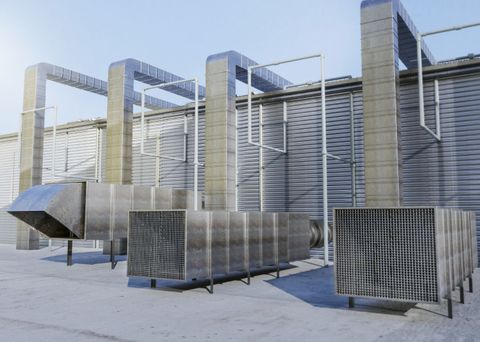
Provide effective dust extraction where airborne particles may be generated.
Follow lockout and isolation procedures before maintenance or tool changes.
Inspect abrasive wheels and accessories before use.
Use interlocks, emergency stops, and protective barriers where appropriate.
Train operators to recognize equipment faults and unsafe operating conditions.
Robotic systems require additional risk assessment because automated movements can introduce collision, trapping, and unexpected-startup hazards.
Tools and Resources for Equipment Planning
Selecting a metal polishing machine begins with a clear understanding of the production requirements.
Useful technical resources include:
Surface roughness testers: Instruments used to measure surface characteristics, including parameters such as Ra, where applicable.
CNC programming software: Tools for preparing and checking programmed finishing paths.
Robotics simulation software: Applications that help evaluate robot reach, movement, cycle sequences, and potential collisions.
Abrasive selection charts: References for matching abrasive types and grades to materials and finishing stages.
Dust extraction assessments: Tools for evaluating airborne particles and appropriate ventilation arrangements.
Preventive maintenance checklists: Records for inspecting bearings, belts, wheels, sensors, guards, and extraction systems.
Manufacturer technical manuals: Documents covering machine capacity, tooling compatibility, operating limits, and maintenance schedules.
Before selecting a system, compare the following specifications:
| Evaluation factor | Questions to consider |
|---|---|
| Material | Is the component stainless steel, aluminium, carbon steel, or another alloy? |
| Surface finish | Is a brushed, satin, smooth, or mirror finish required? |
| Component geometry | Can the machine reach internal surfaces, edges, and curved sections? |
| Production volume | Is the equipment intended for individual parts, batches, or continuous production? |
| Automation | Is manual, CNC-controlled, or robotic processing appropriate? |
| Quality control | How will surface roughness, dimensions, and visible defects be checked? |
| Maintenance | Are compatible abrasives, replacement components, and technical documentation available? |
Informational disclaimer: Metal polishing machine prices and complete automation packages vary according to machine size, tooling, robotics, software, extraction equipment, installation requirements, and production capacity. Any preliminary estimate is indicative rather than a guaranteed quotation. A meaningful comparison requires equivalent technical specifications and a clearly defined equipment scope.
Frequently Asked Questions
What is the difference between grinding and polishing?
Grinding generally removes material more aggressively to correct surface irregularities or remove excess material. Polishing uses finer abrasives or compounds to improve surface smoothness and appearance. Some manufacturing processes use both operations in sequence.
What is robotic metal polishing automation?
It uses industrial robots to guide polishing tools along programmed paths. Depending on the system, force sensors, vision equipment, and automated inspection can support consistent processing of complex or repeated geometries.
Can CNC machines produce a mirror finish on stainless steel?
Some CNC-controlled finishing systems can support mirror polishing, but the result depends on the initial surface condition, abrasive sequence, material grade, tool settings, and inspection method. Multiple finishing stages may be necessary.
What factors influence metal polishing machine selection?
Important factors include the metal type, component geometry, required surface finish, production volume, automation level, workplace safety, and maintenance requirements. Manufacturers should test representative components whenever practical.
How often should polishing equipment be maintained?
Maintenance frequency depends on operating hours, machine design, abrasive type, and the manufacturer's instructions. Regular inspections should cover tool wear, alignment, guards, bearings, extraction equipment, electrical components, and safety controls.
Conclusion
Metal polishing machines are important tools for improving the surface quality, appearance, and consistency of industrial components. Equipment ranges from conventional belt and rotary systems to CNC-controlled machines, robotic polishing cells, and specialized pipe-finishing systems.
Advances in robotic metal polishing automation, smart metal finishing systems, and Industry 4.0 technologies are expanding the options available to manufacturers. However, the appropriate solution depends on measurable production requirements rather than the number of automated features.
Understanding surface finish specifications, selecting compatible abrasives, maintaining effective safety controls, and establishing reliable inspection procedures helps manufacturers make informed equipment decisions. Careful planning also supports consistent finishing results and responsible industrial operations.